Have you ever looked around your home, felt completely overwhelmed, and thought, “I just don’t know where to start”?
You’re not lazy.
You’re not lacking motivation.
And you’re certainly not the only one.
Many people believe procrastination causes messy homes. In reality, the relationship works both ways. Clutter fuels procrastination just as much as procrastination creates clutter, trapping us in a cycle that’s difficult to break.
At Calma Organisers, we believe that understanding why this happens is the first step towards creating a calmer, more supportive home.
It’s Not About Willpower
For years, procrastination was seen as a lack of discipline. But research in behavioural psychology suggests it’s much more complex.
Dr. Yuki Tanaka, a behavioural psychologist at the University of Tokyo who studies neuroplasticity and chronic disorganisation, explains that chronic disorganisation is often linked to how our brains process decisions rather than a simple lack of motivation.
When someone who naturally enjoys organisation faces a task, their brain tends to follow a clear decision-making path.
For someone experiencing chronic disorganisation, multiple neural pathways may activate at once, creating what researchers often describe as decision paralysis. Instead of making one simple choice, the brain becomes overwhelmed by too many possibilities.
The result?
Tasks that seem straightforward—putting laundry away, sorting paperwork or deciding what to keep—suddenly feel much bigger than they really are.
The Vicious Cycle Between Clutter and Procrastination
This creates a cycle that’s surprisingly difficult to escape.
You put off putting one item away.
Tomorrow it becomes five items.
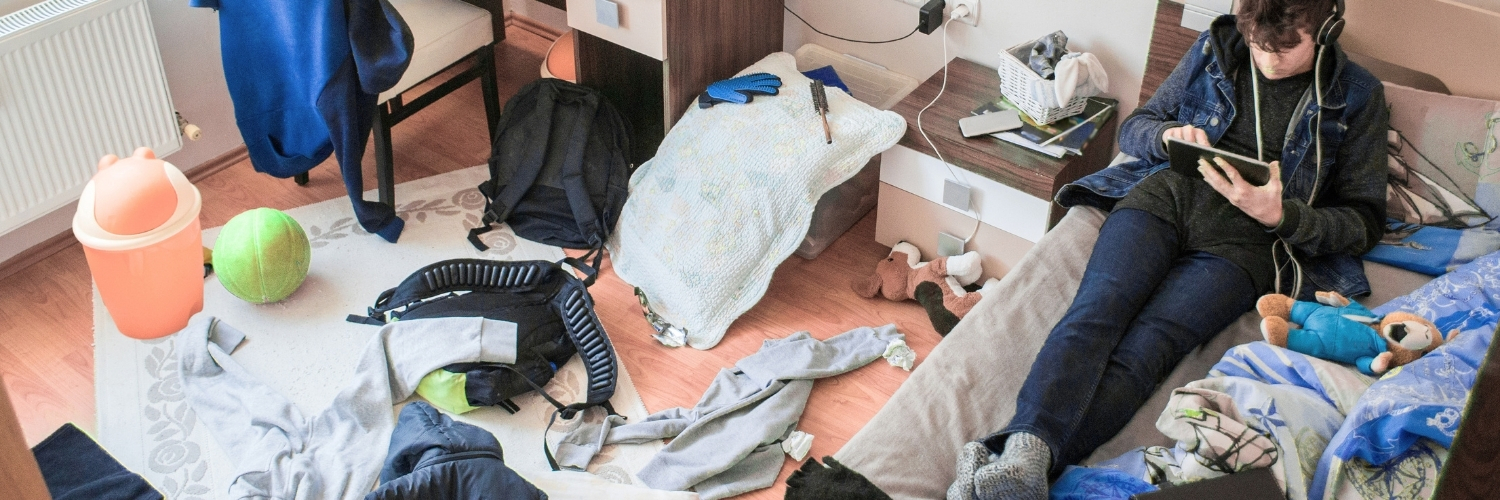
Then a pile.
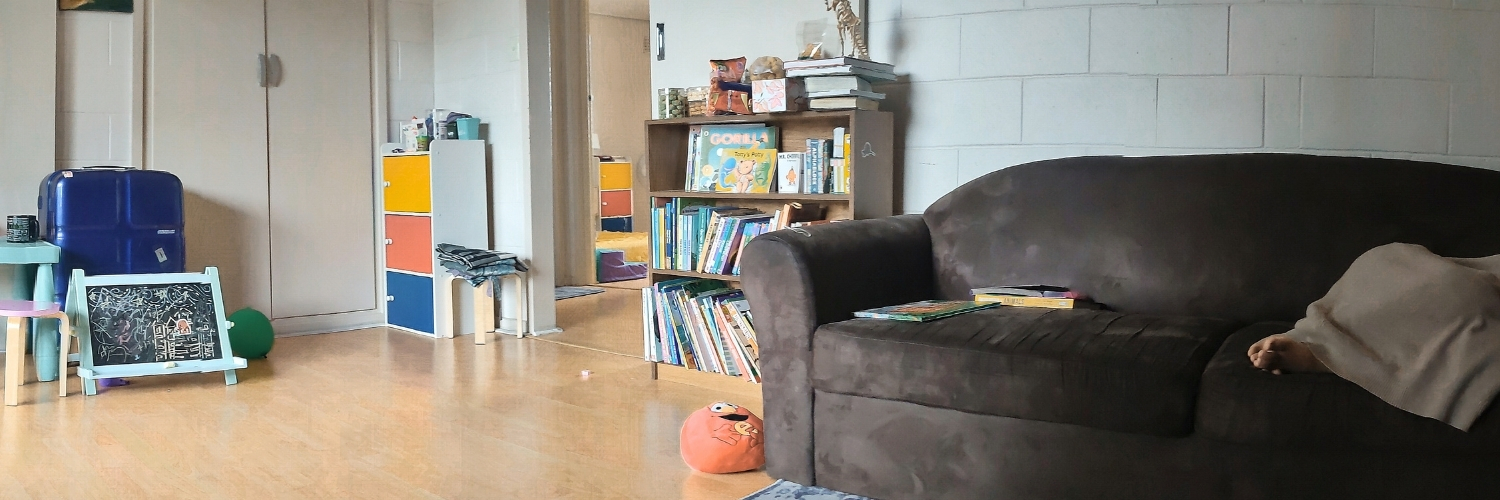
Then an entire room that feels impossible to tackle.
Behavioural researchers have found that procrastinators are more likely to delay small organising tasks, allowing clutter to build gradually until it feels overwhelming.
But the clutter itself then makes it even harder to take action.
Every pile becomes another unfinished task.
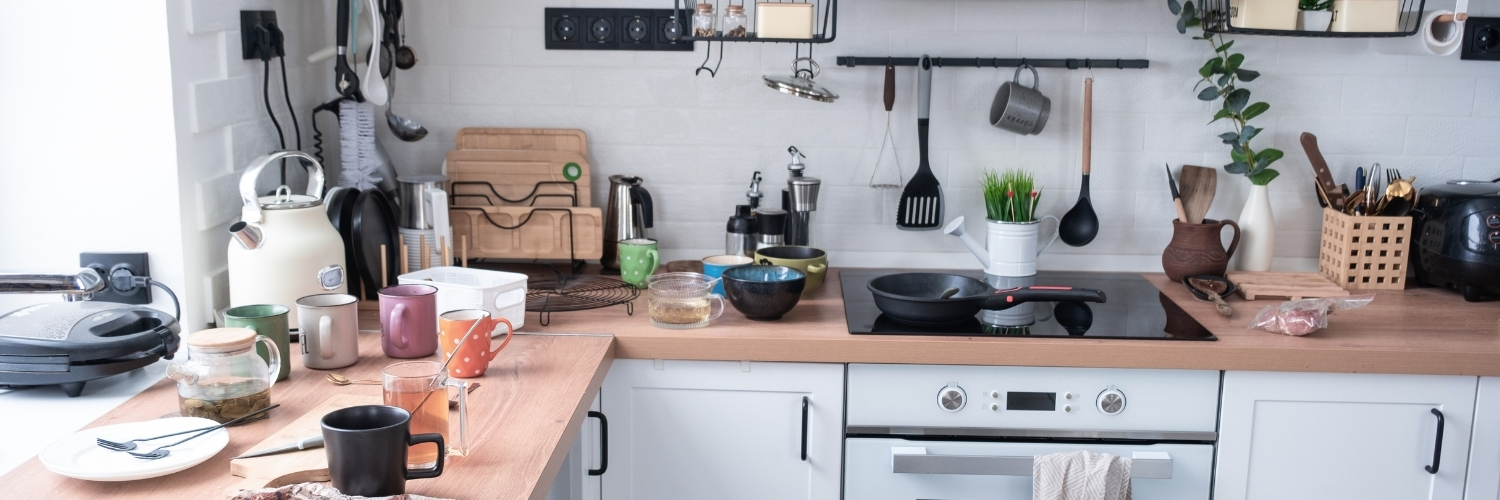
Every overflowing drawer becomes another decision waiting to be made.
The more unfinished tasks your brain sees, the more mental energy it uses trying to process them.
Eventually, doing nothing feels easier than deciding where to begin.
Why Clutter Drains Your Brain
Researchers at Princeton University discovered that physical clutter competes for your attention.
Every object within your visual field demands a small amount of your brain’s processing power.
Instead of focusing on one task, your brain is constantly filtering unnecessary visual information.
This extra cognitive effort contributes to:
- Decision fatigue
- Difficulty concentrating
- Reduced productivity
- Mental exhaustion
- Increased procrastination
It’s a little like trying to have an important conversation while several televisions are playing in the background.
Even if you’re not consciously paying attention to them, your brain is.
The Emotional Weight of Clutter
Clutter isn’t only physical.
It’s emotional.
Many of the things we keep represent memories, hopes, guilt or “just in case” thinking.
That emotional weight makes every decluttering decision harder.
At the same time, living in a cluttered environment constantly reminds us of unfinished jobs and postponed decisions.
Instead of feeling relaxed at home, we feel burdened.
Instead of gaining mental clarity, we lose it.
And when our minds are overwhelmed, we often delay the very actions that would help us move forward—not only around the house, but in other areas of life too.
Three Gentle Ways to Break the Cycle
The good news is that you don’t need to organise your entire home in one weekend.
Small, consistent actions are far more effective.
1. Start Smaller Than You Think
Forget organising the whole kitchen.
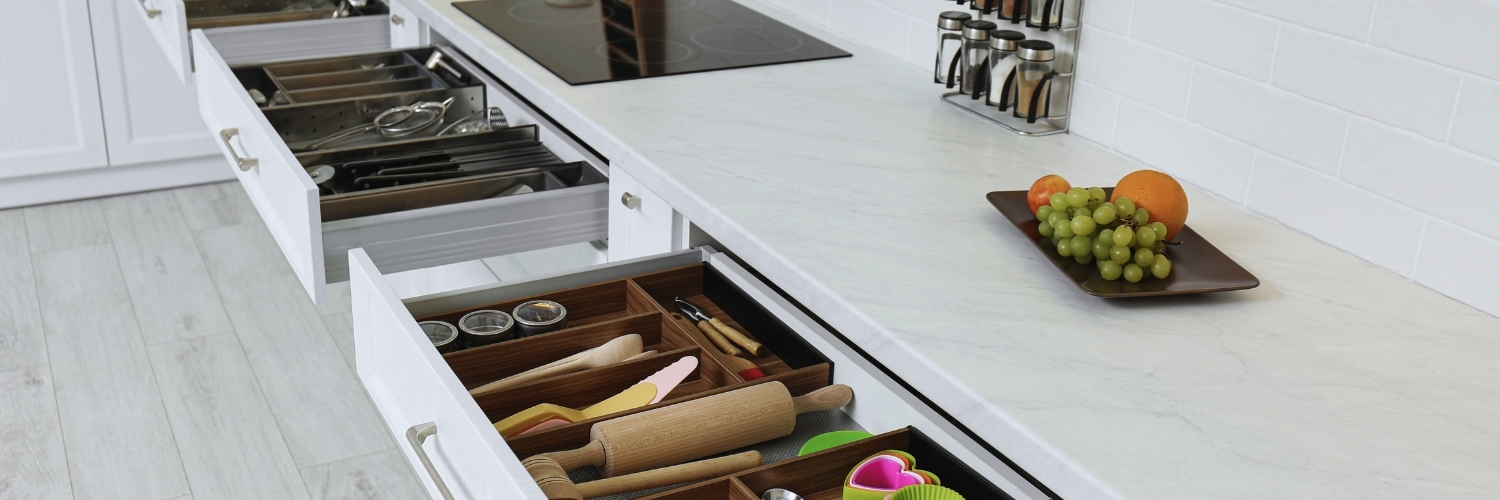
Start with one drawer.
One shelf.
One basket.
Small wins build momentum and make it easier for your brain to keep going.
2. Focus on One Pile at a Time
Trying to tackle an entire room can feel overwhelming.
Instead, choose one visible pile or one small category of belongings.
Finishing something—even something tiny—creates a sense of progress that motivates the next step.
3. Become More Mindful of Your Daily Habits
Organisation isn’t about marathon decluttering sessions.
It’s about the tiny decisions you make every day.
Putting something away immediately.
Returning items to their home.
Pausing before bringing new things into the house.
These small habits reduce future clutter before it has a chance to build.
How a Professional Organiser Can Help
Sometimes the hardest part isn’t organising.
It’s designing a home that works with your brain instead of against it.
At Calma Organisers, we create practical systems that reduce mental effort and make everyday life feel easier.
We often do this by:
- Creating clear visual systems, using open storage and intuitive layouts so everyday items are easy to see and easy to find.
- Reducing unnecessary steps, designing simple storage solutions that make putting things away almost effortless.
- Minimising decision fatigue, organising belongings around how you actually live, rather than how you think they “should” be organised.
The goal isn’t perfection.
The goal is making your home feel lighter, calmer and easier to maintain.
A Calm Home Supports a Calm Mind
If you’ve been putting off organising your home, perhaps the problem isn’t procrastination.
Perhaps your home has simply become too overwhelming for your brain to process.
With the right systems in place, even small changes can reduce mental load, improve focus and help you feel back in control.
At Calma Organisers, we help families across Mallorca transform cluttered, stressful spaces into homes that support their wellbeing. Every organising solution is tailored to your lifestyle, making it easier to maintain and bringing more calm into your everyday life.
Because an organised home isn’t about perfection.
It’s about creating a home that gives you peace of mind.