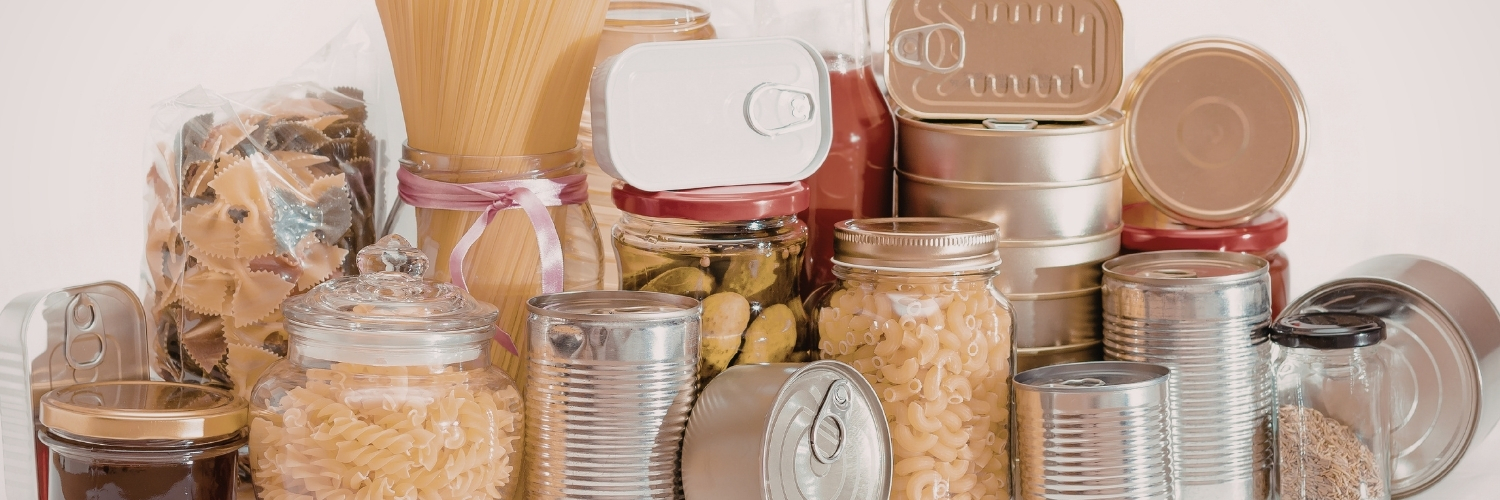
One of the most common things we notice when working in clients’ homes is overbuying and stocking food.
At first glance, it seems like a sensible habit. Buying extra items means fewer trips to the supermarket, right?
But in reality, stocking too much food often creates the opposite effect. Instead of making life easier, it fills cupboards, pantries, and refrigerators beyond their limits. Kitchens that were designed to be functional cooking spaces slowly turn into overcrowded storage areas.
And once food clutter starts building up, it tends to create a cycle that is surprisingly difficult to break.
Let’s talk about why food overstocking creates clutter, and how a few simple habits can help restore order in your kitchen.
When Storage Spaces Start Overflowing
A well-organised kitchen works best when everything has a place.
But when we buy more food than our cupboards can realistically hold, storage spaces quickly become overwhelmed.
Pantries get packed tightly, refrigerators become difficult to navigate, and cupboards start overflowing. Items begin migrating to countertops, dining tables, and sometimes even other rooms.
What should be a functional kitchen organisation system slowly becomes an overcrowded space where cooking feels stressful rather than enjoyable.
Pantry “Blindness”
Have you ever bought a jar of something only to discover three identical ones already hiding in the cupboard?
This happens more often than people realise.
When pantries become overcrowded, it becomes almost impossible to see what is actually inside. Items get pushed to the back of shelves and forgotten.
This creates what we often call pantry blindness.
Because we cannot clearly see our food inventory, we accidentally buy duplicates. The result? Even more items that need to be stored.
Over time, this adds to the clutter and makes kitchen organisation much harder.
Expired and Wasted Food
Another downside of stockpiling food is waste.
When cupboards are too full, older items tend to disappear behind newer purchases. Eventually, those forgotten items expire.
Even non-perishable food can sit unused for years.
Not only does this waste money, but expired items continue occupying valuable kitchen space until someone finally discovers them.
Reducing food clutter in the pantry often starts with removing items that are long past their use.
When Organisation Becomes Impossible
Too much inventory makes kitchen organisation systems difficult to maintain.
Instead of placing items neatly in categories, people often start squeezing things wherever they fit.
Packets end up behind jars. Cans are stacked randomly. Boxes get pushed into corners.
When storage spaces reach this point, finding what you need becomes frustrating.
Cooking should be simple. But when your kitchen is overcrowded, even preparing a quick meal can feel like a treasure hunt.
Hidden Food Clutter
One of the most surprising effects of overbuying food is hidden clutter.
When cupboards are full, people start storing extra items in unexpected places.
We often find food stored:
- in deep corners of cabinets
- under beds
- in storage rooms
- inside random boxes
These hidden areas may not be visible daily, but they still contribute to the feeling that the home is overcrowded.
Clutter doesn’t have to be visible to create stress.
The Emotional Side of Food Clutter
Food clutter is not always about shopping habits. Sometimes it is connected to deeper emotional patterns.
For many people, stocking food provides a sense of comfort and control.
A few common reasons include:
Fear of Running Out
Some people grew up in situations where food felt uncertain. For them, a fully stocked pantry represents security.
The “Just in Case” Mentality
Buying items for a hypothetical future situation can lead to unnecessary accumulation.
What if guests arrive unexpectedly?
What if we suddenly need that ingredient?
These “what if” scenarios often lead to cupboards full of items that may never be used.
Emotional Habits
In some cases, buying food can become linked to emotional routines or comfort behaviours.
Recognising these patterns is an important step toward creating healthier kitchen organisation habits.
How to Reduce Food Clutter
The good news is that breaking the overbuying cycle does not require drastic changes.
Small, practical habits can make a huge difference.
Take Inventory Before Shopping
Before heading to the supermarket, quickly check your pantry and fridge.
Knowing what you already have helps prevent unnecessary purchases.
Plan Simple Weekly Meals
A basic weekly menu can dramatically reduce impulse shopping.
Meal planning makes it easier to buy only the ingredients you truly need.
Shop With a List
Lists are powerful tools for home organisation and budgeting.
When you shop with a clear list, it becomes much easier to avoid impulse buys.
“Shop” Your Own Kitchen
Before buying something new, try using what is already available in your cupboards.
You might be surprised by how many meals can be created from ingredients you already have.
A Calm Kitchen Works Better
A kitchen that is well organised feels lighter, calmer, and easier to use.
When cupboards contain only what you actually need, it becomes easier to cook, clean, and maintain the space.
Reducing food clutter is not about restriction. It’s about creating a system where your kitchen supports your daily life instead of overwhelming it.
If you feel stuck in a cycle of overbuying and stocking food, we at Calma Organisers can help you break the pattern and create practical systems for a functional kitchen and pantry.